![SINTER_X [ENTRY]](/_next/image?url=%2Fassets%2Fimages%2Fproduct-images%2Fsinterx-entry.png&w=1920&q=75&dpl=dpl_At6qpdgdMtV6fxbuLRHaNnvissWh)
![SINTER_X [EDU]](/_next/image?url=%2Fassets%2Fimages%2Fproduct-images%2Fsinterx-edu.png&w=1920&q=75&dpl=dpl_At6qpdgdMtV6fxbuLRHaNnvissWh)
![SINTER_X [PROD]](/_next/image?url=%2Fassets%2Fimages%2Fproduct-images%2Fsinterx-production.png&w=1920&q=75&dpl=dpl_At6qpdgdMtV6fxbuLRHaNnvissWh)


Sep 17, 2026
Radio & Comms
13 min read
LoRa Frequency Bands in India: WPC Rules, ERP Limits and ETA Compliance for 865-867 MHz
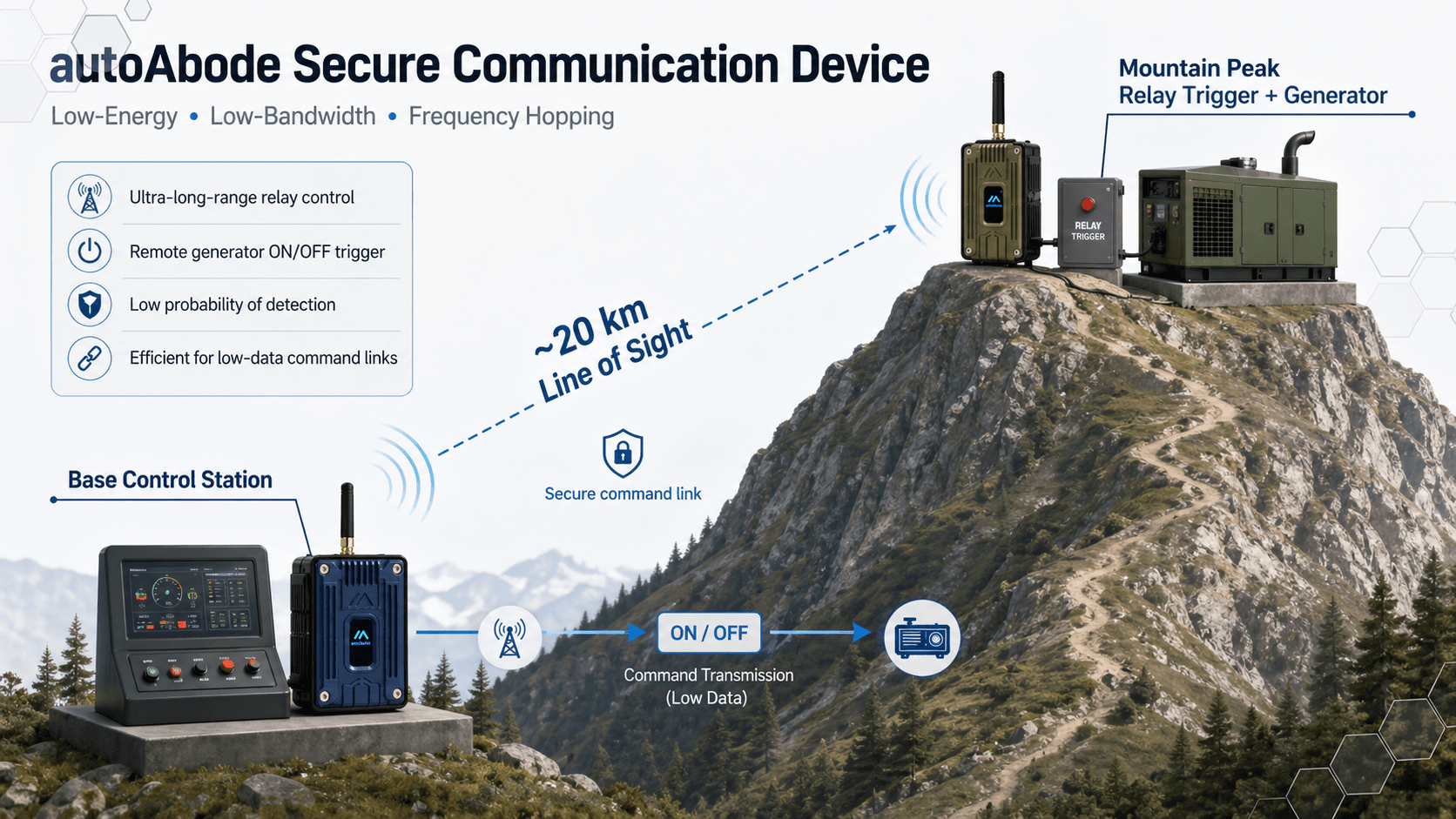
Most LoRa deployments in India are technically illegal on day one, and the teams running them have no idea. The culprit is almost always a module shipped with the European EU868 channel plan, or a power setting entered in EIRP when the rule is written in e.r.p. This guide walks through what G.S.R. 853(E) actually permits in the 865-868 MHz band, the four device classes and their real power and duty-cycle ceilings, why the 2.15 dB gap between e.r.p. and EIRP matters, where FHSS is explicitly allowed, and how Equipment Type Approval works on the Saral Sanchar portal. Written for engineers specifying mesh radio, LPWAN and telemetry systems in India.
Identify Post